
Faites entrer l'art
dans votre stratégie patrimoniale
- Offres d'investissement exclusives sur des chefs d'oeuvre du XXe siècle
- Expériences inédites pour découvrir le marché de l’art
.webp)
Matis is in
the press





Blue chip art(1) as a new asset class
Appréciation du capital investi
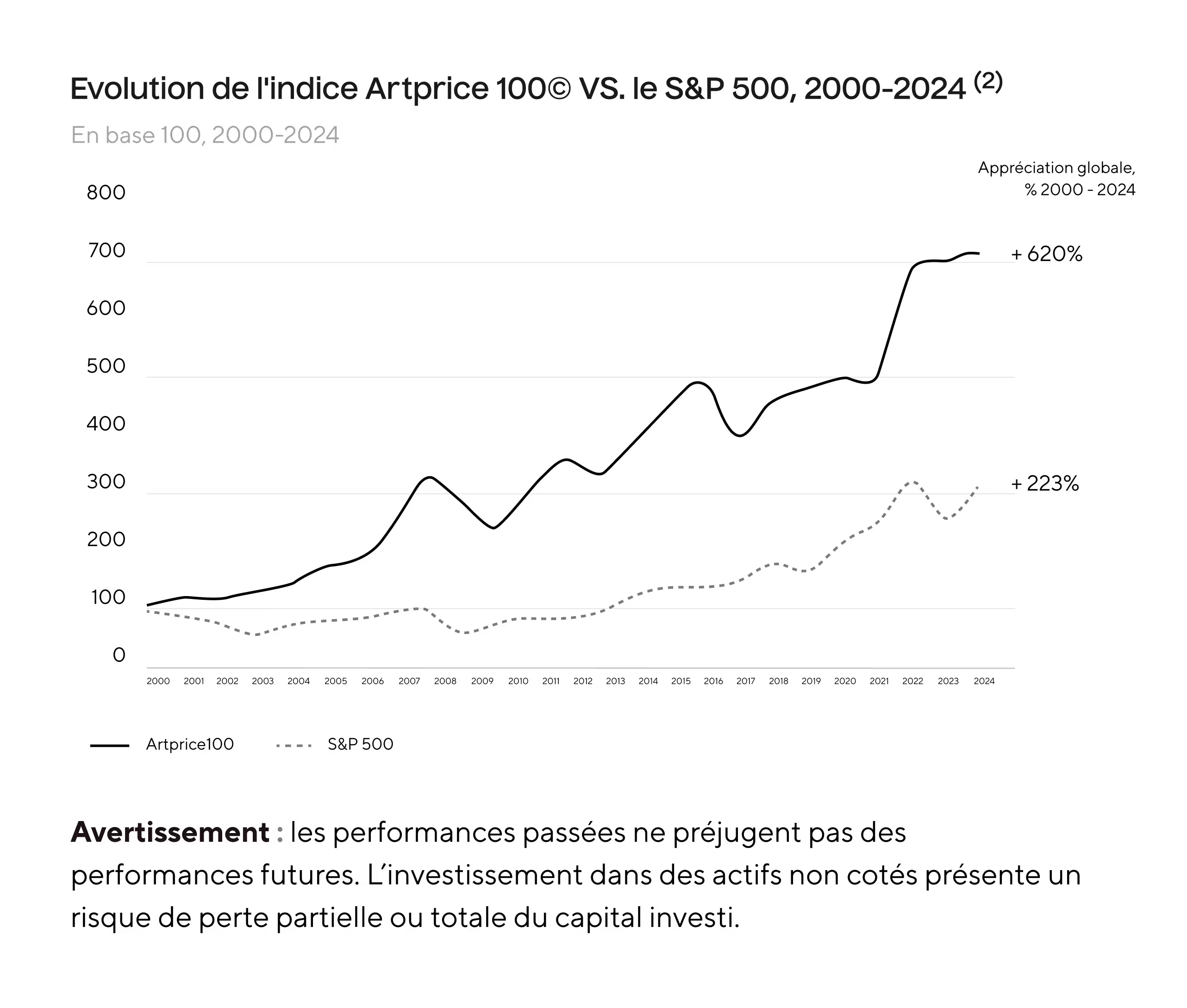
Depuis plus de 20 ans, les œuvres d’art contemporain des 100 artistes les plus iconiques offrent une performance moyenne supérieure au S&P500 (indice Artprice100©).
Diversification
Investir dans l’art permet de diversifier son portefeuille sur une classe d'actifs faiblement corrélée aux autres produits financiers.
Protection contre l'inflation
L’achat d’œuvres d’art peut constituer une valeur refuge relativement distincte des mouvements d’actifs traditionnels, plus impactés par la hausse des prix.
.png)


Examples of exits
operated by Matis
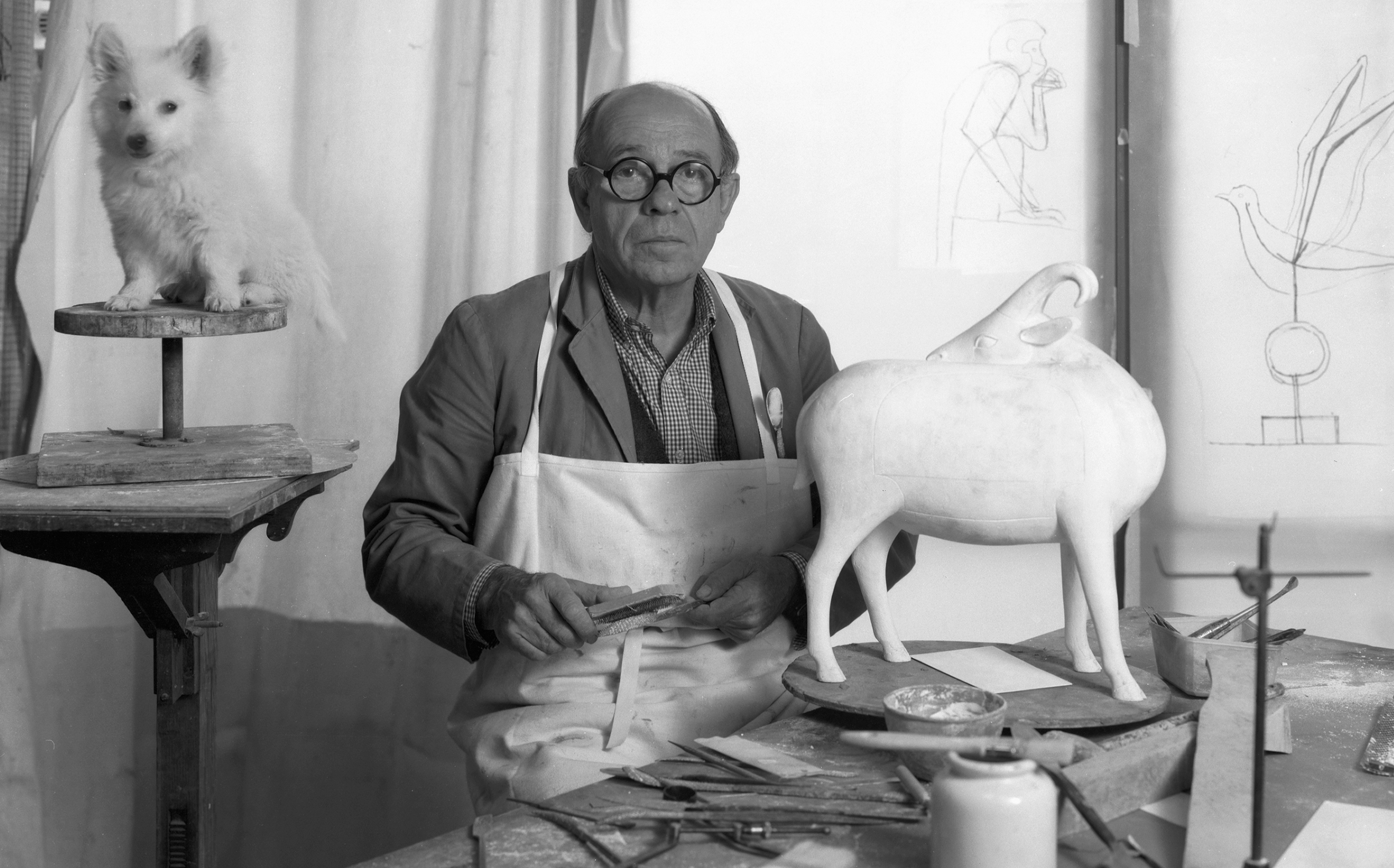
François-Xavier
Lalanne
7,87%
NET INVESTOR PERFORMANCE
7,04%
HOLDING PERIOD
10 months and 22 days
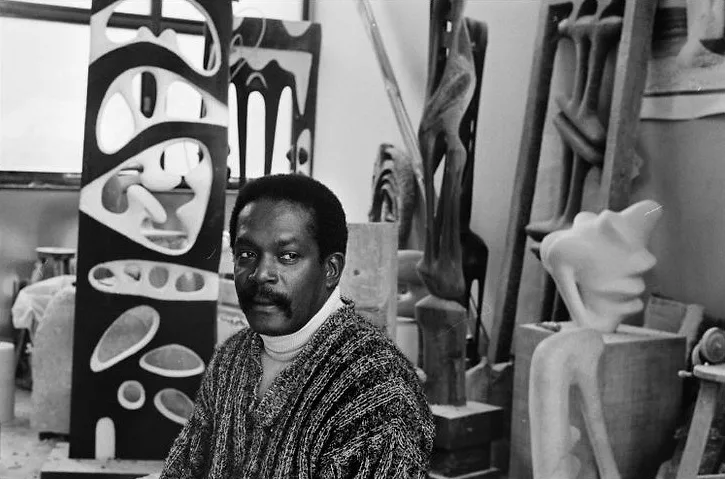
Agustín
Cárdenas
15,88%
NET INVESTOR PERFORMANCE
20,41%
HOLDING PERIOD
15 months and 4 days
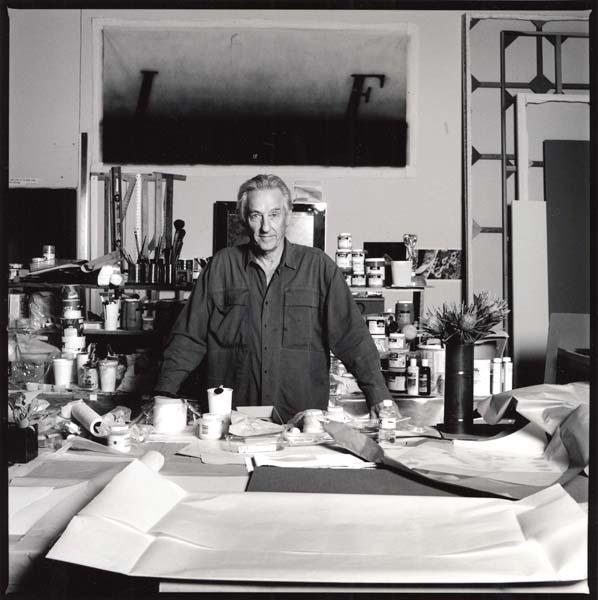
Ed
Ruscha
10,38%
NET INVESTOR PERFORMANCE
18,40%
HOLDING PERIOD
20 months and 15 days
Professional support
from Matis

Un advisor dédié
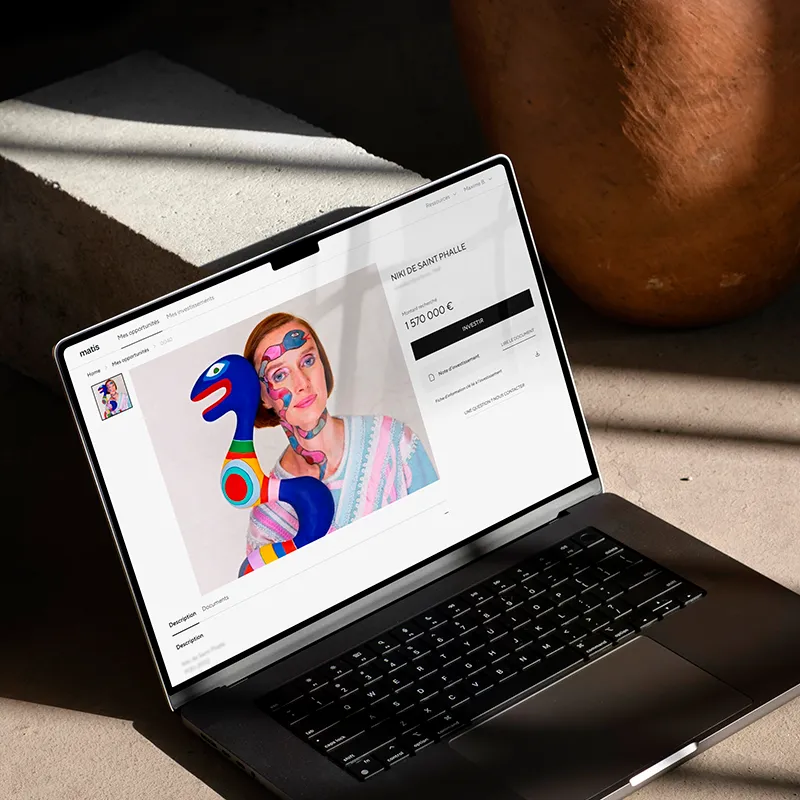
Un espace digital
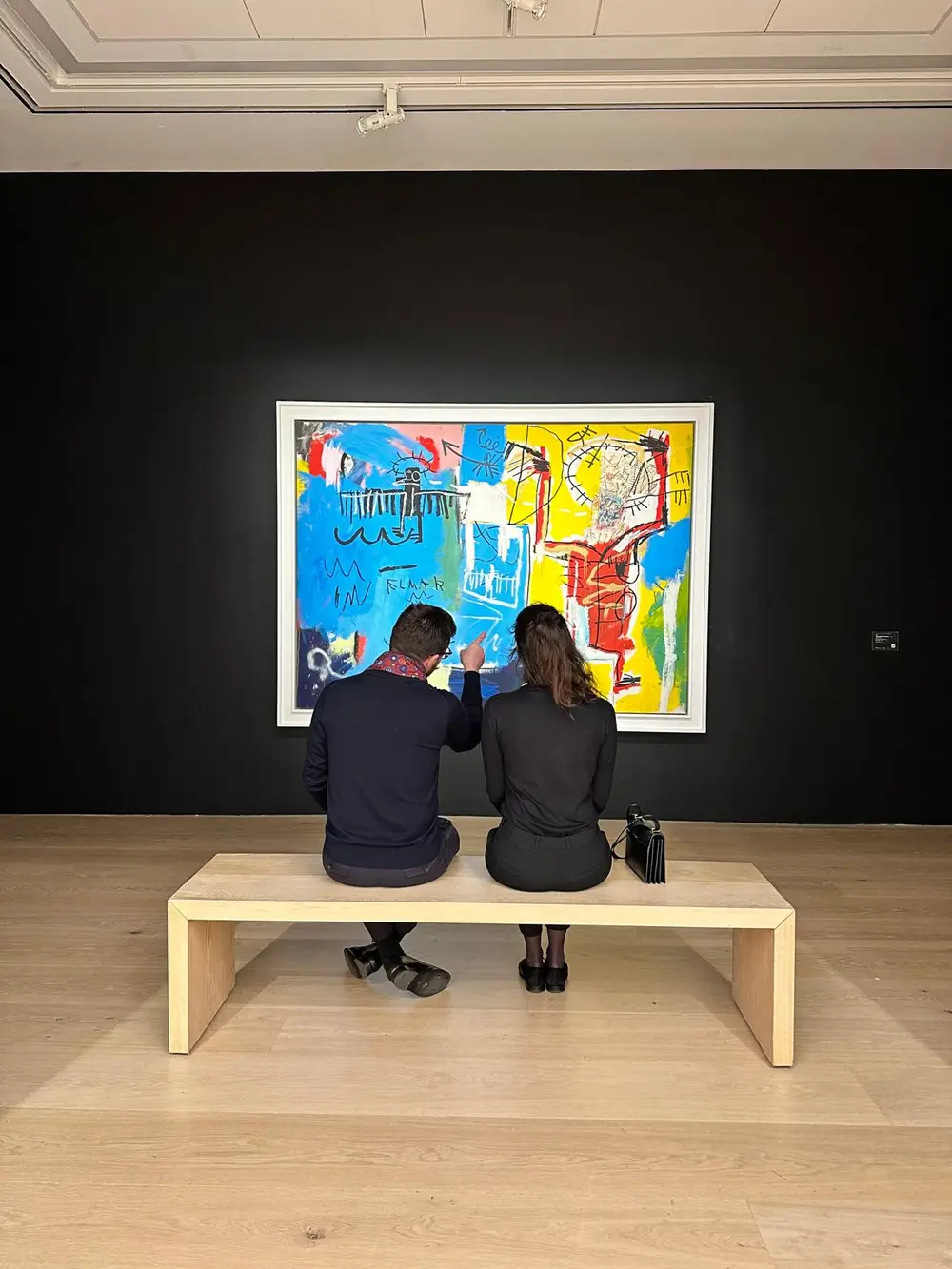
Des évènements exclusifs
Let our investors speak for us


Questions Fréquentes
The artistic movements targeted by Matis are as follows:
- Modern art, created by artists from the first half of the 20th century;
- Contemporary art, created by artists after 1945.
These two artistic movements account for nearly 80% of the global art market exchanges. In its acquisition strategy, Matis thus prioritizes works created by emblematic artists of the 20th century due to the dominance of these two artistic trends, a guarantee of liquidity and dynamism in the art market.
Matis structures and offers co-investment projects dedicated to investments in contemporary art. The company identifies strong trends in the art market to invest in works by the most important artists of the 20th century. Through the issuance of convertible bonds into shares, Matis allows private investors to co-invest in acquisition opportunities usually reserved for art market professionals. The company has a license issued by the Financial Markets Authority, enabling it to offer its investment opportunities throughout Europe. Matis also works with art galleries specializing in the targeted artists, to whom it entrusts the acquired works for resale, aiming for a non-guaranteed target horizon of 2 years.
Investment in our co-investment projects is open to individuals or legal entities, French tax residents or not. However, Matis reserves the right to refuse certain subscribers if certain customer knowledge or fund traceability elements are not deemed sufficient by our teams, in view of our regulatory obligations.
We target an investment horizon ranging from 6 to 36 months for our various works. 80% of the works on our market are sold within two years after their consignment in a gallery, and we anticipate selling our works within this timeframe. However, the sale of our works depends on the interest of collectors, and we cannot commit to a specific sale horizon. In case of failure to sell within 5 years, your securities can be converted at a 1:1 rate by a simple majority decision of the bond holders. This mechanism allows for the re-appropriation of the work and forces its sale at auction, but it is not a guarantee of liquidity.
Investing in contemporary art carries a risk of financial loss and illiquidity if we are unable to sell our work at a fair market value.
Investing in our co-investment projects implies acceptance of these risks by our investors.
Une offre de co-investisse est un mode de financement collectif où plusieurs investisseurs privés lèvent des fonds en vue de financer un projet de grande ampleur. Il peut s’agir d’une opération boursière, immobilière ou encore artistique. Appliquée à l’art, l’offre d’investissement est spécifique à une oeuvre donnée, et s’appuie sur une structure juridique dédiée. L’investissement peut se traduire par l’acquisition d’actions ou d’obligations. Dans le cas de Matis, les instruments utilisés sont des obligations convertibles en action. Les investisseurs peuvent réaliser une plus-value (non garantie) à la revente de l’oeuvre, avec une durée maximale d'investissement de 5 ans.
Matis propose d’investir dans des œuvres d’artistes majeurs du XXe siècle, reconnus par les plus grands musées internationaux, promus par des galeries leaders, et bénéficiant d’une large base de collectionneurs à travers le monde. Ce sont des artistes dits “blue chip”, dont la valeur des œuvres dépasse souvent les centaines de milliers d’euros, les rendant difficilement accessibles à la plupart des investisseurs. Parmi les artistes ciblés, on peut par exemple citer Yayoi Kusama, Andy Warhol, Yves Klein, ou encore François-Xavier Lalanne. Ces artistes ont profondément marqué l’histoire de l’art ; leurs œuvres disponibles à la vente sur le marché s’amenuisent tandis que leur valeur augmente, créant un effet de rareté.
The simplified joint stock company holding the artwork issues convertible bonds into shares.
Matis uses a non-conversion premium mechanism to transfer the capital gain issued from the sale of the work by the holding to our investors, limiting the tax impact of this gain.
A stock setup would have been possible but would have led to a double taxation system that we wanted to avoid. This setup has been validated by a law firm, which advises us on this subject.
Matis defines the major current and future trends of the art market and focuses its analysis on the 100 most fundamental artists of the 20th century. Matis then sources its works from art market professionals, such as galleries, dealers, and auction companies.Through this privileged network, our team identifies works we consider undervalued and acquire them. The works are selected for their ability to be quickly resold through major international galleries, specialists in the concerned artist, within a target horizon of two years, and are purchased only after validation by an acquisition committee.