Roy Lichtenstein
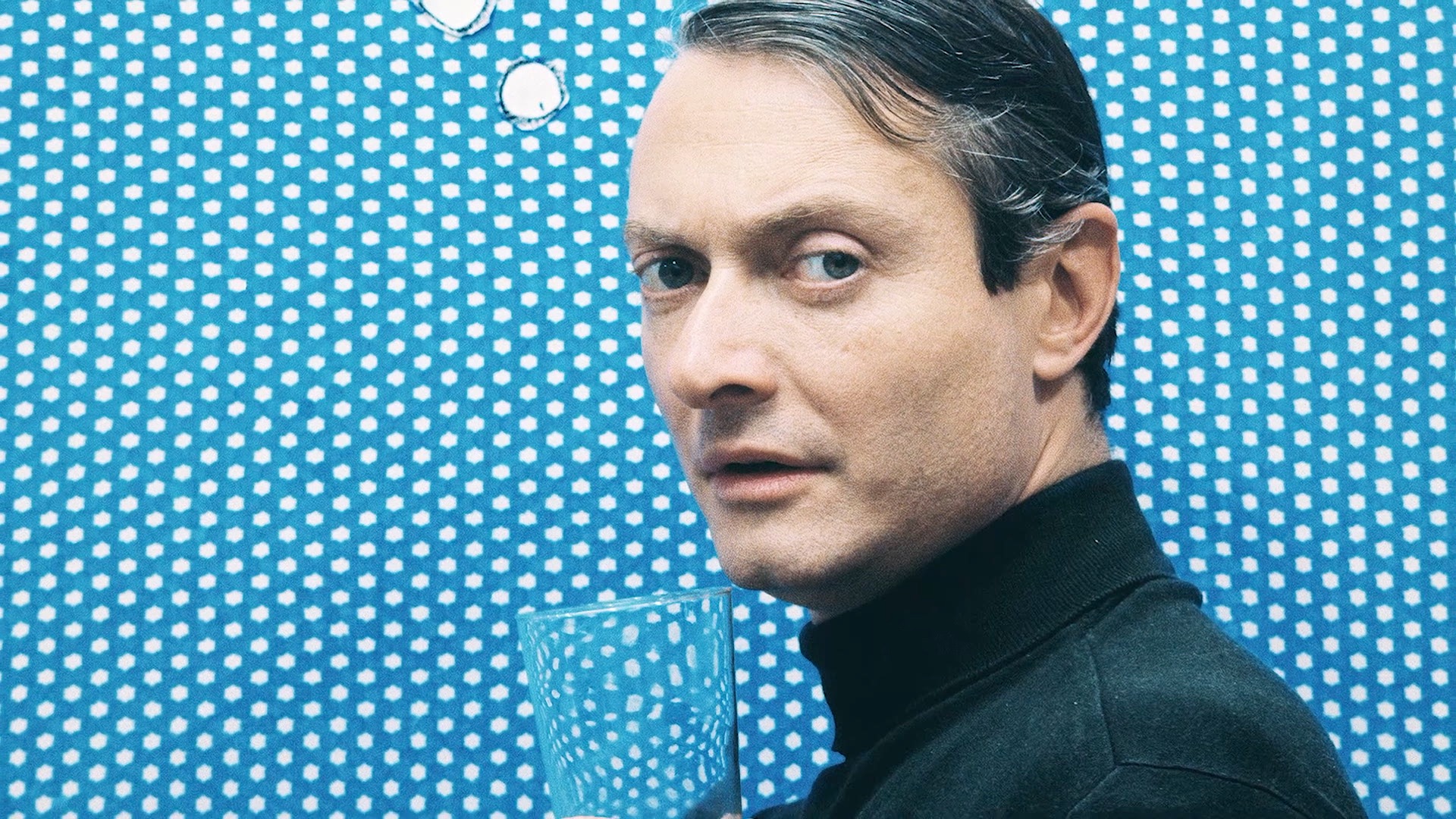

Born in New York in 1923, Roy Lichtenstein trained in classical academic techniques before drawing inspiration in the 1950s from both ancient art (the Bayeux Tapestry) and modern art (Fernand Léger). An initial foray into abstraction in 1959 failed to meet with critical success.
The turning point came in 1961 with Look Mickey : he invented his signature method: rearranging, cropping, and simplifying pre-existing images while effacing himself behind them, borrowing the graphic power and characteristic Ben-Day dots from comic strips. The 1960s saw him citing his major influences (Picasso, Monet, Mondrian) while simultaneously pursuing an abstract vein alongside his pop figures through his landscapes and the Modern Paintings series.
In the 1970s, he explored form through the Mirrors and Entablatures series, playing with reflection, texture, and pattern repetition. The 1980s marked a return to the trace of the gesture with the Brushstrokes, followed by a syncretism blending all his previous techniques. Late in his career, he returned to distinct subjects (interiors, the Nudes series) without abandoning abstraction (Asian landscapes, Brushstroke with Still Life). By his death in 1997, having been labeled the "worst artist in America" in 1964, he left behind more than 4,500 works and an instantly recognizable style.