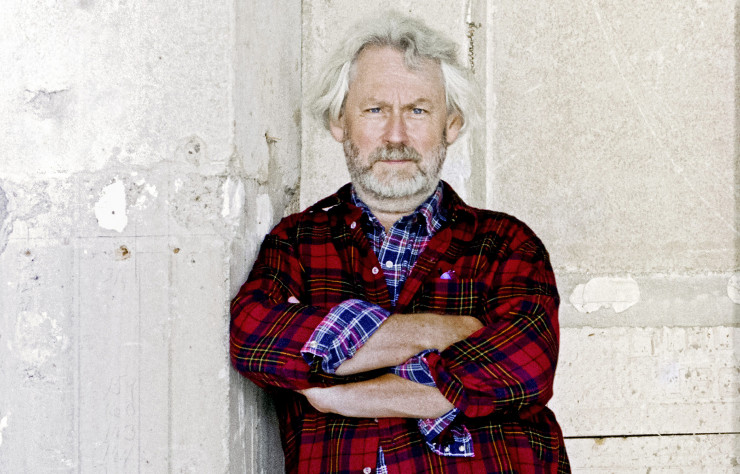
Gerhard Richter
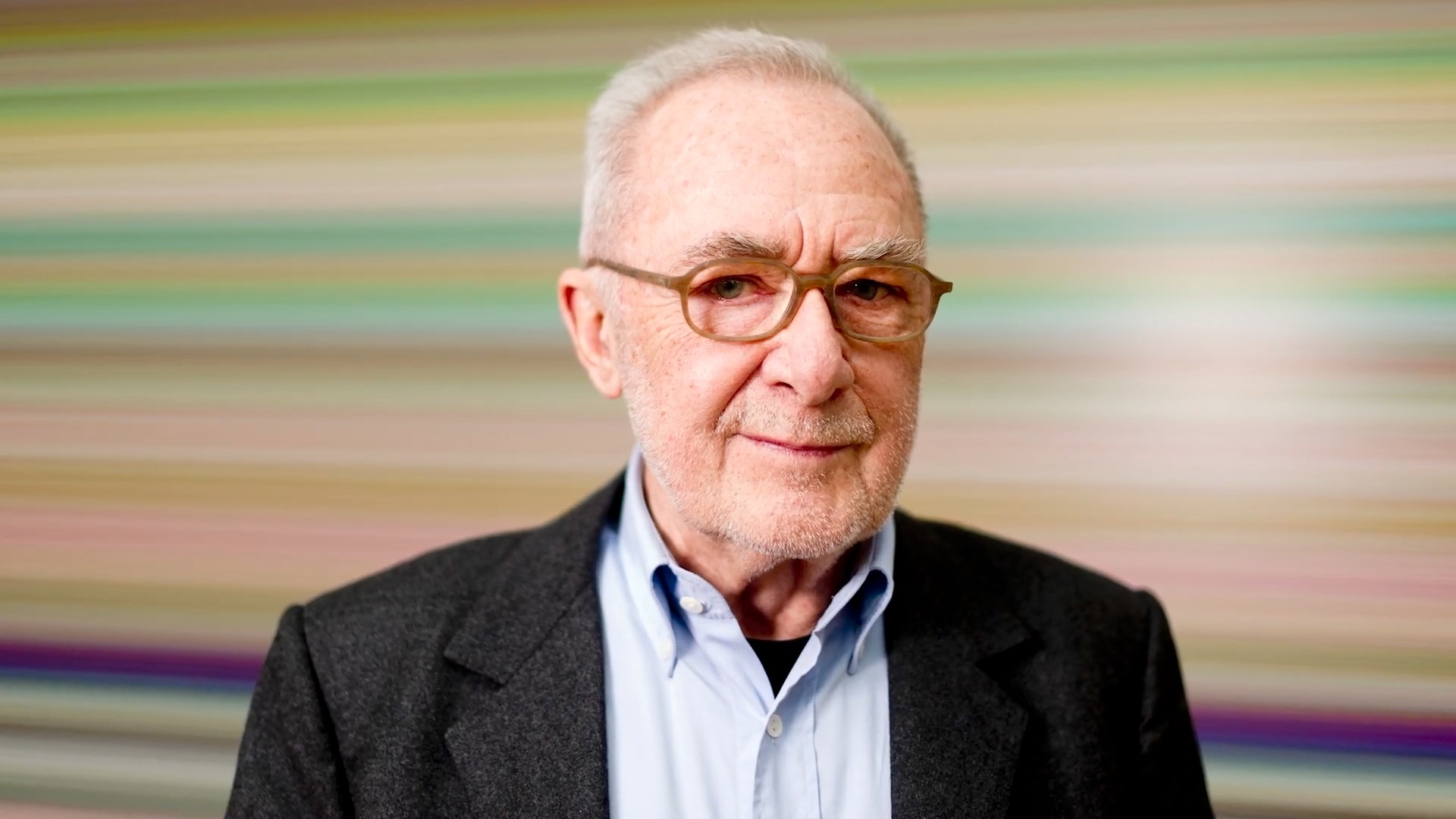

Gerhard Richter is one of the most defining figures in art of the second half of the 20th century.
His journey is deeply marked by German history. He grew up under the Nazi regime, trained in communist East Germany, then fled to the West in 1961, just one month before the construction of the Berlin Wall.
It was in Düsseldorf that he began exploring the possibilities of painting, freed from all ideological constraint. His early canvases drew on images gathered from the press: military aircraft, portraits, aerial photographs. There he developed his signature blurring technique, reworking photographs in oil, then dragging a squeegee across the wet surface, to instill an indecision between image and memory, between document and fiction.
Throughout his career, he has negotiated the boundary between photography and painting, captivated by the way these two seemingly opposed practices speak to and challenge one another.
From the 1970s onward, abstraction came to dominate his work. His Abstraktes Bild series, begun in 1976, forms the largest and most innovative body within his oeuvre, first in small formats, then in large, monumental compositions.
On the market, his standing has held with remarkable consistency: regularly ranked among the world's top 10 artists at auction, his works generated more than 150 million euros between 2021 and 2023. Today, Gerhard Richter remains the highest-valued living artist on the European market.
His work is that of a thinker of the image, an artist who has spent more than sixty years questioning what it means to paint, and never quite answering it.